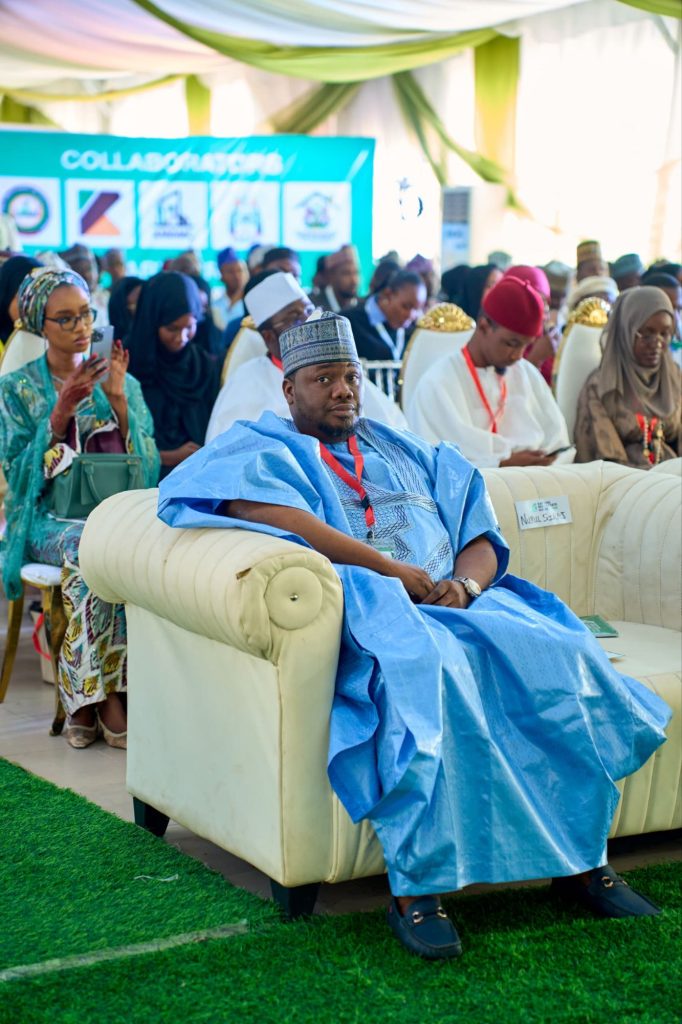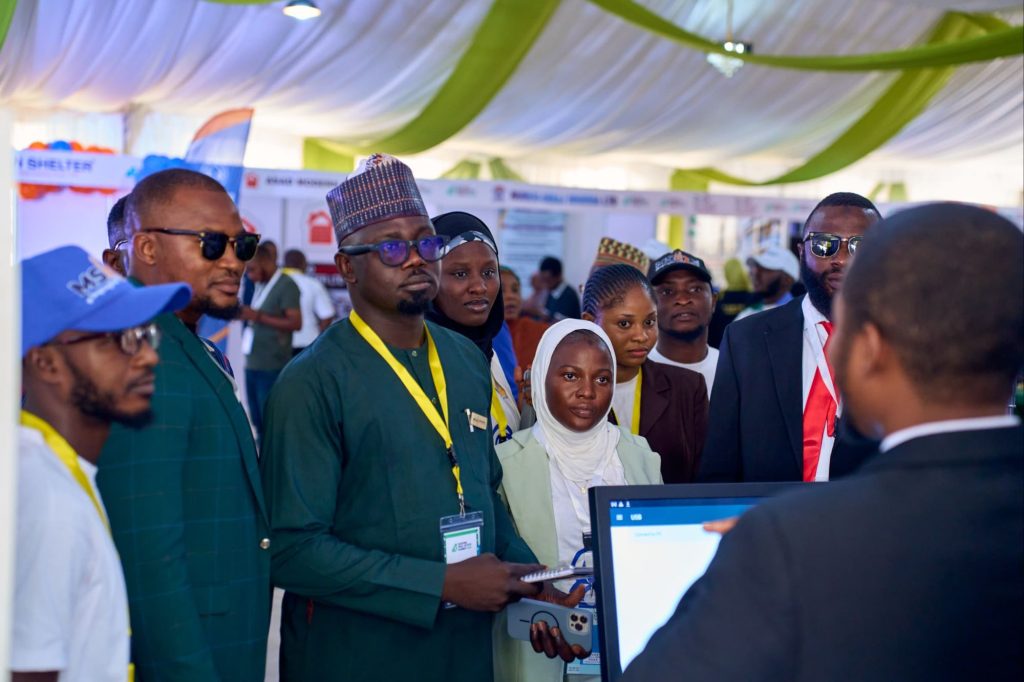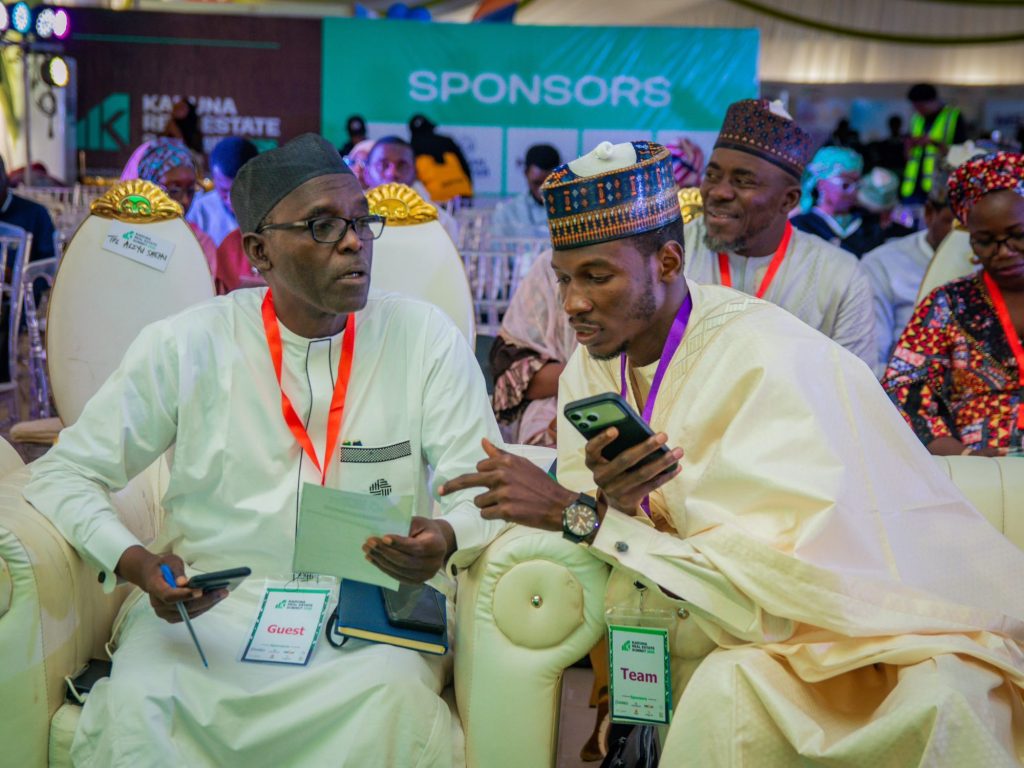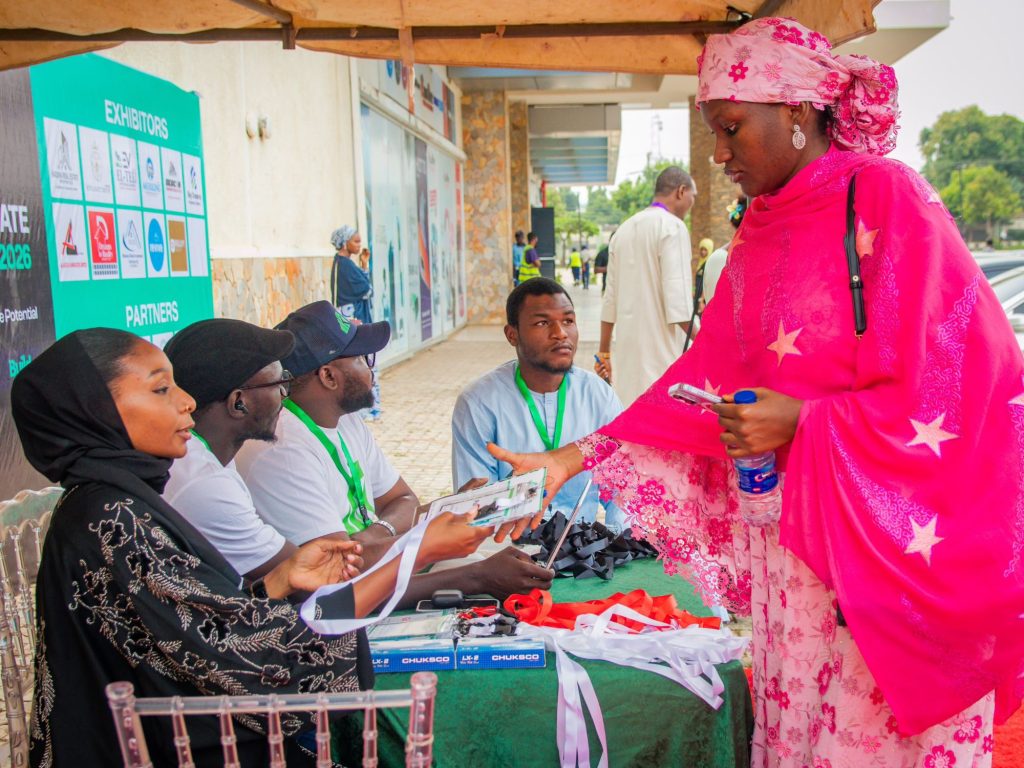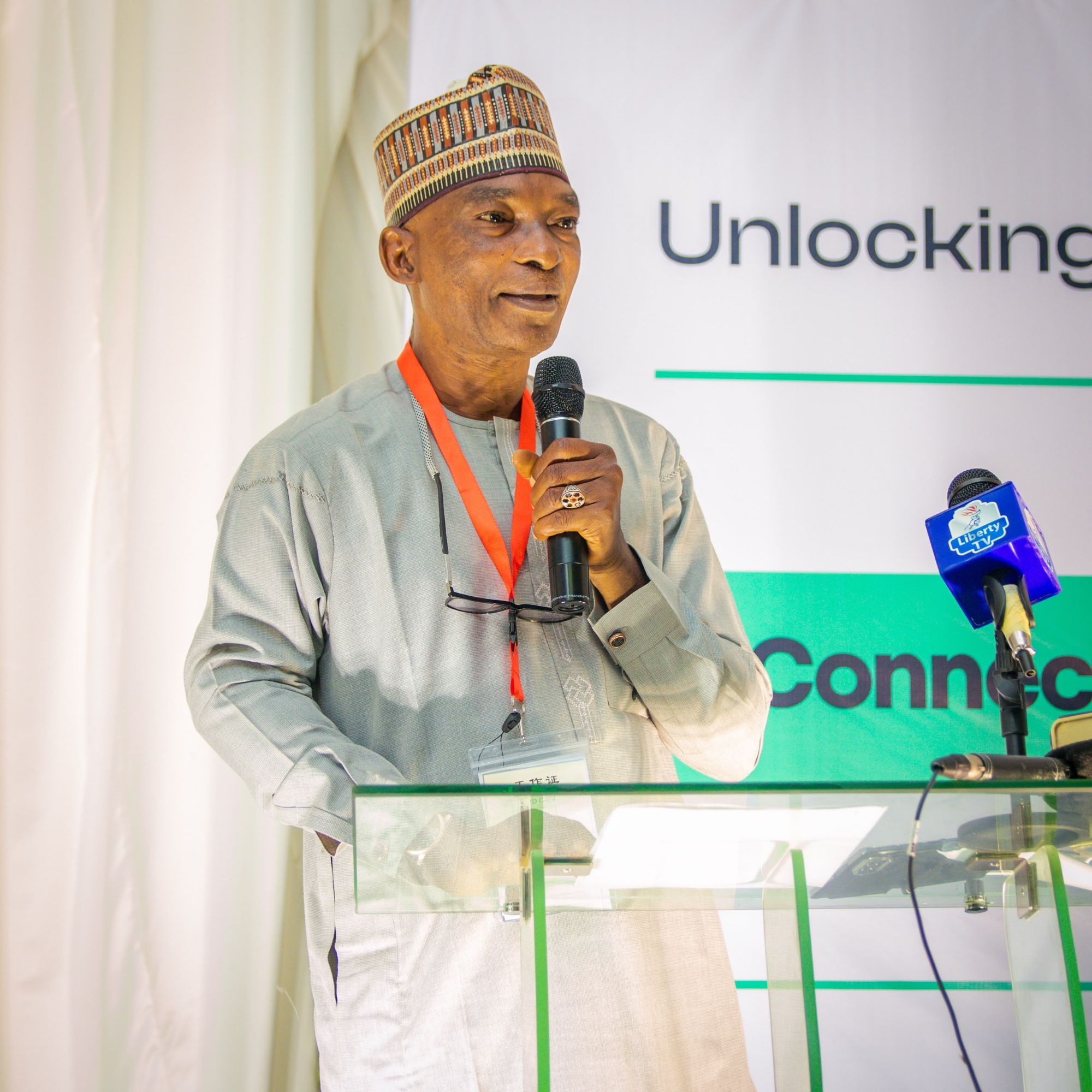

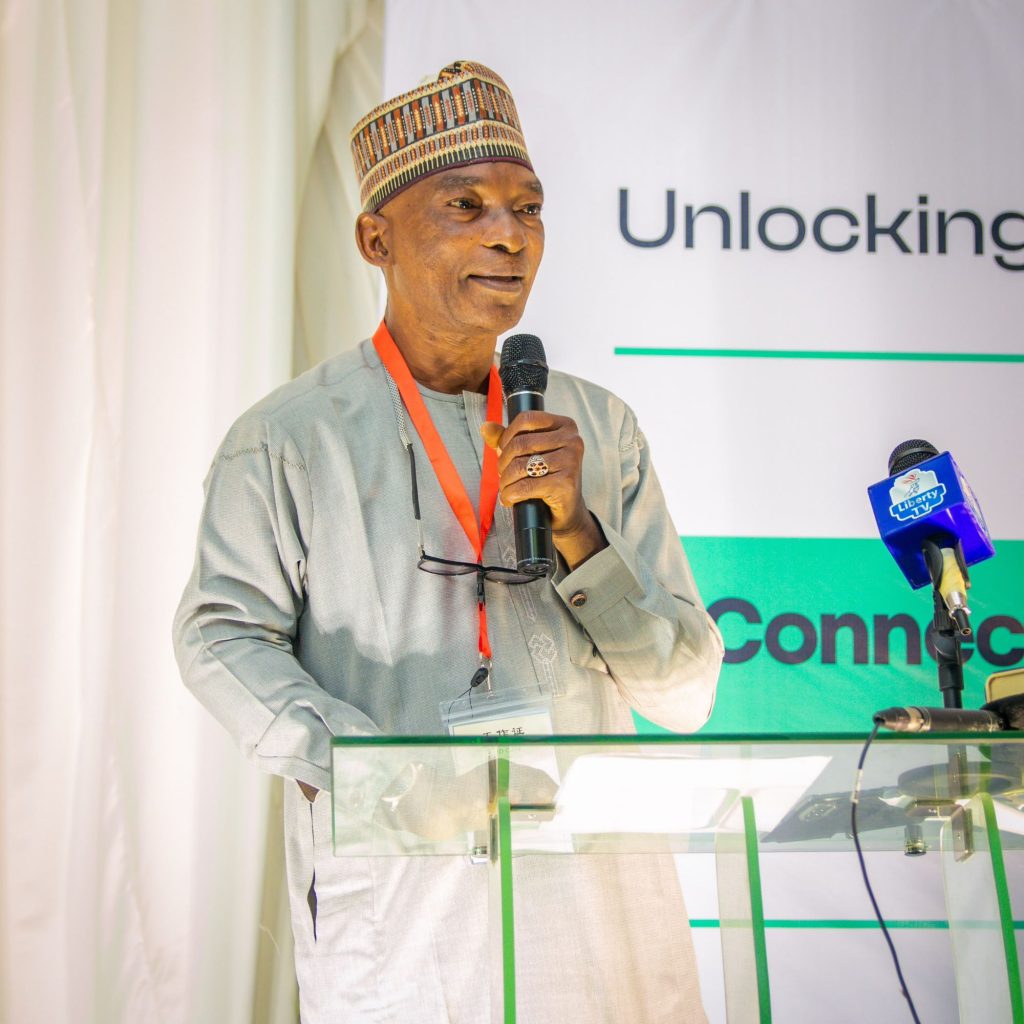
The President of the Nigerian Institution of Estate Surveyors and Valuers (NIESV), ESV (Mallam) Bature Ali Muhammad, has called for comprehensive reforms in land administration, housing finance and infrastructure development to unlock Kaduna State’s real estate potential and attract long-term investment.
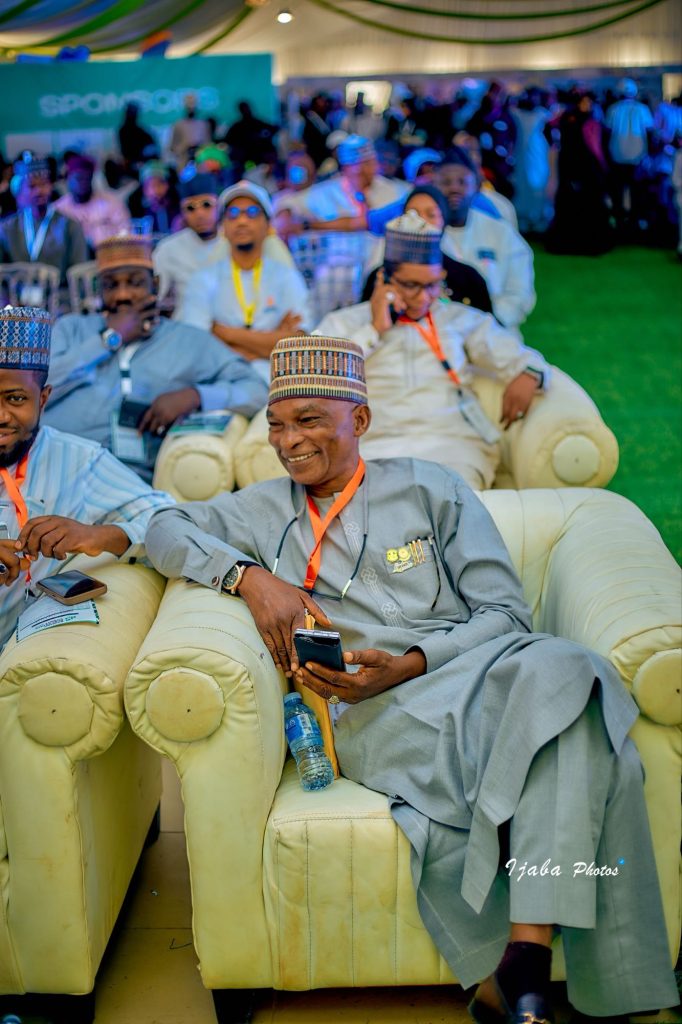
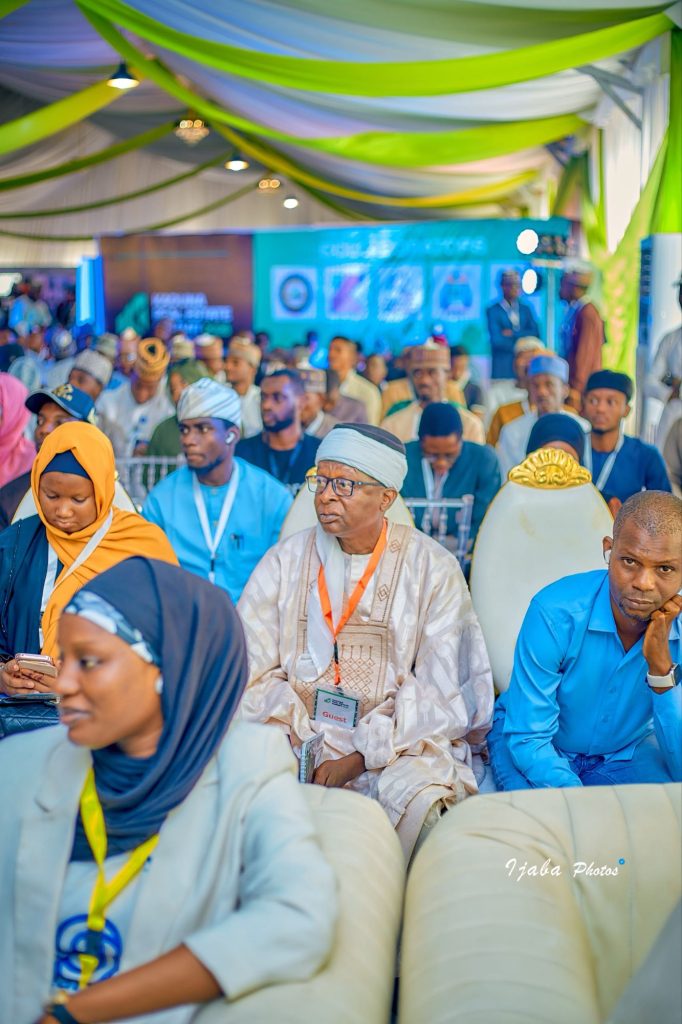
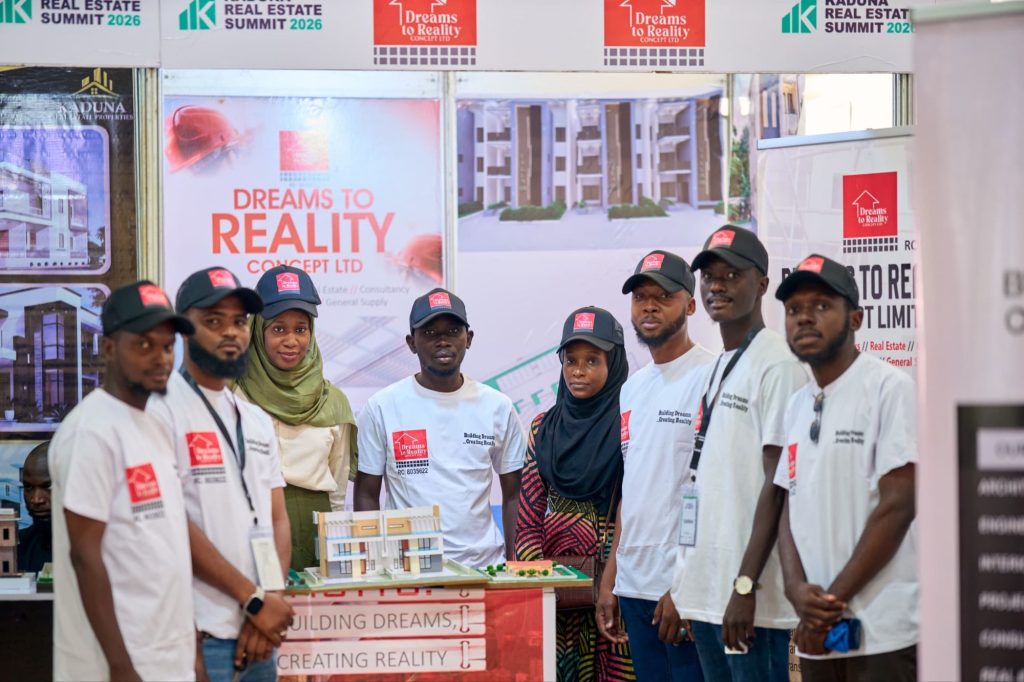
The NIESV President made the call while delivering his speech at the Kaduna Real Estate Summit (KRES 2026), themed “Unlocking Kaduna’s Real Estate Potential.”
Muhammad said Kaduna’s strategic location, educational institutions, agricultural resources, transportation links, industrial opportunities and human capital provide a strong foundation for building a modern real estate economy.
However, he stressed that these advantages would not automatically translate into economic prosperity without deliberate planning, appropriate infrastructure, accessible housing finance, transparent land administration and effective collaboration between government and the private sector.
According to him, real estate development should go beyond the construction of houses to encompass wealth creation, employment generation, urban transformation, investment opportunities and improved quality of life.
Affordable Housing Requires Innovative Financing
Addressing Nigeria’s housing challenges, Muhammad called for a broader approach to housing delivery, urging stakeholders to consider not only the number of houses required but also their affordability, location, financing and access to essential infrastructure.
He observed that a significant proportion of Nigerians cannot afford to purchase homes through conventional mortgage arrangements, making it necessary to develop innovative financing structures that accommodate different income levels.
The NIESV President identified financial institutions, pension funds, insurance companies, development finance institutions, government agencies and private investors as critical stakeholders in expanding access to affordable housing.
He also advocated public-private partnerships capable of reducing investment risks in housing and infrastructure projects while attracting long-term capital.
Muhammad emphasised that housing should not be treated as an isolated structure, noting that communities require access to roads, water, electricity, transportation, security, healthcare, education and economic opportunities.
He therefore called for integrated communities, mixed-income developments, satellite communities and other innovative housing models that respond to the realities of Nigeria’s growing population.
Digital Land Administration Key to Investor Confidence
The NIESV President identified transparency, efficiency and predictability in land administration as essential conditions for attracting real estate investment.
He said investors must have confidence that land can be properly identified, documented, transferred, developed and protected.
To achieve this, he encouraged reforms that would make land administration more transparent, technology-driven and responsive, including the adoption of digital land registries, reliable property databases, Geographic Information Systems and accessible market information.
Muhammad noted that reliable data is increasingly important to the real estate sector, explaining that inadequate information makes it difficult for investors to assess risks, financial institutions to make informed decisions and governments to formulate effective policies.
He urged relevant stakeholders to prioritise dependable property information as part of broader efforts to strengthen the real estate investment environment.
Kaduna Positioned for Regional Investment Growth
Muhammad said Kaduna has the opportunity to emerge as a significant real estate and investment hub in Northern Nigeria if the right conditions are established for sustainable development.
He identified the state’s strategic location, human capital, institutions, agriculture, industry and transportation opportunities as potential drivers of diverse real estate investments.
According to him, opportunities extend beyond residential housing to include commercial centres, logistics and industrial developments, student accommodation, hospitality, healthcare facilities, educational infrastructure and other specialised property assets.
He stressed that achieving this ambition would require an environment where land is investable, infrastructure is properly planned, regulation is transparent, development is predictable and investors have confidence.
The NIESV President maintained that unlocking Kaduna’s potential would require coordinated action among government institutions, investors, developers, financial institutions, professionals and local communities.
NIESV Highlights Role of Professionals and Technology
Muhammad reaffirmed the institution’s commitment to strengthening professional practice, ethical standards, continuing professional development and innovation within Nigeria’s real estate sector.
He explained that estate surveyors and valuers contribute to more than property valuation, noting their involvement in property investment decisions, valuation for lending and taxation, land administration, asset management, development consultancy, feasibility studies and urban development.
He argued that professional expertise should be incorporated into the formulation and implementation of policies affecting the built environment.
The NIESV President also highlighted the growing influence of artificial intelligence, property technology (PropTech), digital marketing, virtual property inspections, Geographic Information Systems and smart-city technologies on the development, marketing, management and valuation of properties.
He urged professionals to strengthen their capacity in data, technology, sustainability and investment analysis to remain relevant in a changing industry.
Calls for Sustainable Real Estate Development
On sustainability, Muhammad called for development practices that respond to environmental conditions, energy needs and the interests of future generations.
He advocated energy-efficient buildings, climate-responsive architecture, responsible land use, efficient infrastructure and construction methods that reduce waste and improve affordability.
He emphasised that sustainability should not be reserved for high-end developments but should become a standard component of mainstream real estate development.
‘Move from Conferences to Implementation’
Reaffirming NIESV’s readiness to collaborate with government at all levels, local authorities, financial institutions, developers, investors, professional bodies, academia and development partners, Muhammad said the institution intends to contribute practical expertise to the development process.
He urged stakeholders to ensure that the outcomes of KRES 2026 extend beyond speeches and photographs to produce partnerships, investment opportunities, policy reforms, professional initiatives and actual development projects.
“We must move from Conferences to Collaboration, from Policies to Implementation, and from Potential to Productivity,” he said.
Muhammad concluded that the future of Kaduna’s real estate sector would depend on a shared vision and coordinated action among government, professionals, investors, developers, financial institutions and communities.
He called on stakeholders to view real estate as an instrument for economic transformation, social development, wealth creation and national growth.
The NIESV President also commended the organisers of KRES 2026 and reaffirmed the institution’s commitment to professional excellence, collaboration and sustainable development of Nigeria’s built environment.